
By Bulletin Staff
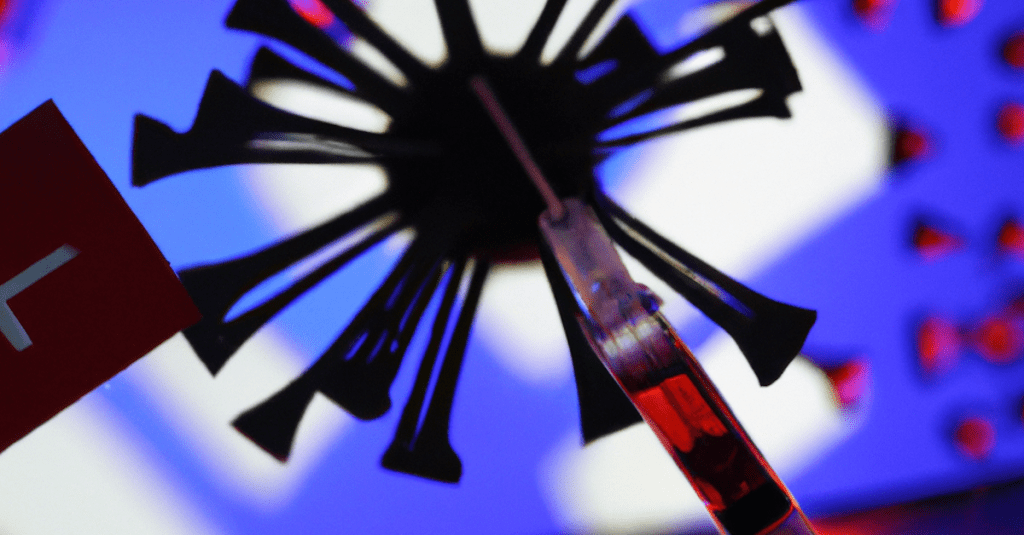
The Centers for Disease Control have approved funding for a preliminary study of a new class of zombie vaccines that would employ the same mRNA technology used to rapidly develop the coronavirus vaccines.
The CDC’s National Center for Zombie Diseases in Atlanta awarded $4.3 million to San Diego-based pharmaceutical research company ZomQuell Innovations for the study, which is expected to launch later this year.
“The ability of zombie viruses to mutate rapidly has traditionally made the development of vaccines against the virus extremely challenging, if not simply impractical. We view mRNA technology as very promising because it has the potential to accelerate the vaccine development cycle to the point that a zombie virus vaccine could become practical in the near future,” said Helen Jenner, director of the center.
Instead of using a weakened or inactive virus like some other vaccines, mRNA vaccines use a tiny piece of genetic material called messenger RNA (mRNA). This mRNA is like a message that tells the body’s cells how to make a small part of the virus, just the part that the immune system needs to recognize.
When a person gets an mRNA vaccine, it trains the immune system to recognize the virus so that, in the event of an infection, the body is able to fight off the virus quickly. Cells in the body break down the mRNA so that none remains in a vaccinated person.
Scientists can develop these vaccines quickly because they only need to figure out the mRNA message for the part of the virus they want the immune system to recognize. They don’t need to grow the whole virus, which can take a lot more time.
“mRNA is particularly promising for use in developing vaccines against zombie viruses because it does not employ any actual virus cells, whether alive or dead, so there is no chance that vaccination could lead to infection with the virus,” said Dr. Eleanor Crawlsbane, adding that she founded ZomQuell last year specifically to pursue new directions in zombie virus vaccine research.
Crawlsbane declined to speculate on when a vaccine would be ready to be used by the public. She stressed that the testing would not involve human subjects until a vaccine had been found to be fully safe and effective in animal subjects.
“Our goal is to deliver shots in the arm, not shots to the head,” Crawlsbane said.
Past Controversies
Prior research to develop zombie vaccines has been controversial. Most infamously, research by the now defunct Parasol Pharma Corp. using human subjects led to the well-documented Badger City outbreak in 2002 that resulted in scores of deaths.
Congressional hearings following the Badger City incident resulted in legislation that considerably strengthened CDC oversight of zombie virus vaccine development, put strict curbs on government funding for this kind of research, and established the National Center for Zombie Diseases in 2005.
Archie Song, president of the nonprofit Undead Research Consortium, which advocates for additional funding for zombie research, said that the new grant was a positive step forward for zombie science because it potentially opened up a new set of options for how to respond to outbreaks.
“In the past, we’ve too often taken the ‘contain and cleanse’ approach when an outbreak occurs, which has led to many needless deaths among those caught on the wrong side of containment. If science is able to give us a viable vaccine option, that can only improve our ability to proactively limit the spread of an outbreak while limiting harm to innocent civilians,” Song said.
Note: The Bulletin of the Zombie Scientists is a work of fiction. Any names or characters, businesses or places, events or incidents, are fictitious. Any resemblance to actual persons, living or dead, or actual events is entirely coincidental.
 Bulletin of the Zombie Scientists
Leave a comment