
By Bulletin Staff
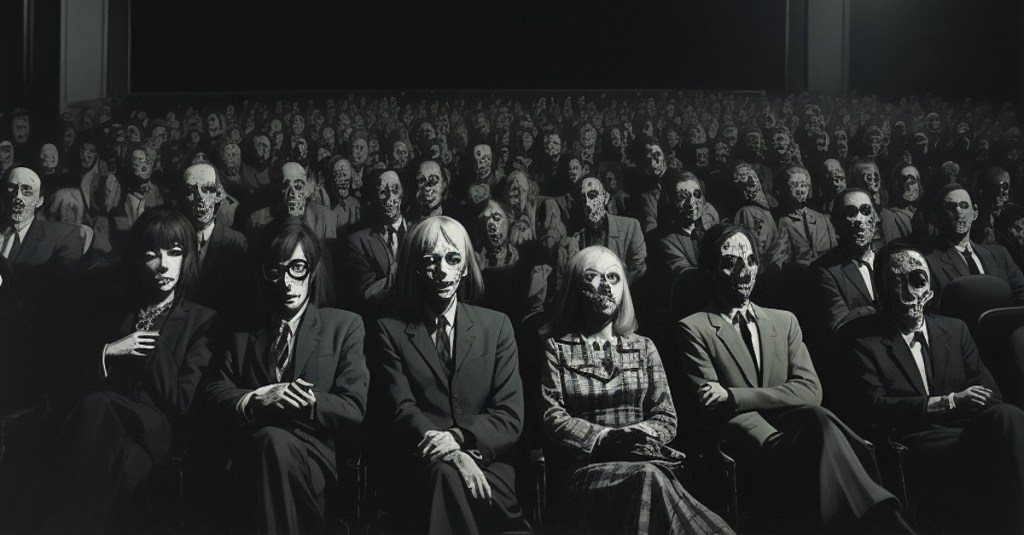
The groundbreaking zombie documentary “Night of the Living” premiered on this day in 1968, showing to audiences in Pittsburgh, nearby where the events portrayed in the film took place, before being released more broadly on October 4.
Filmed in gritty black and white by George A. Romero, who is widely viewed as the founding godfather of modern zombie science, “Night of the Living Dead” documented what become known as “the Pittsburgh outbreak of 1968” and focused on a small group of citizens trying to ride out the outbreak in a rural Pennsylvania farmhouse besieged by the undead.
Romero’s landmark film shocked and terrified audiences across the nation, but it also sparked a scientific revolution. Previously, the mainstream scientific community had largely ignored the study of zombies. In fact, no US university offered a zombie science program prior to the film’s release.
That all changed with the release of “Night of the Living Dead.” Where before the government routinely covered up zombie virus outbreaks to avoid public panic, Romero’s film cemented the possibility of the zombie apocalypse in the public imagination. Soon Americans were demanding government action to address the undead menace.
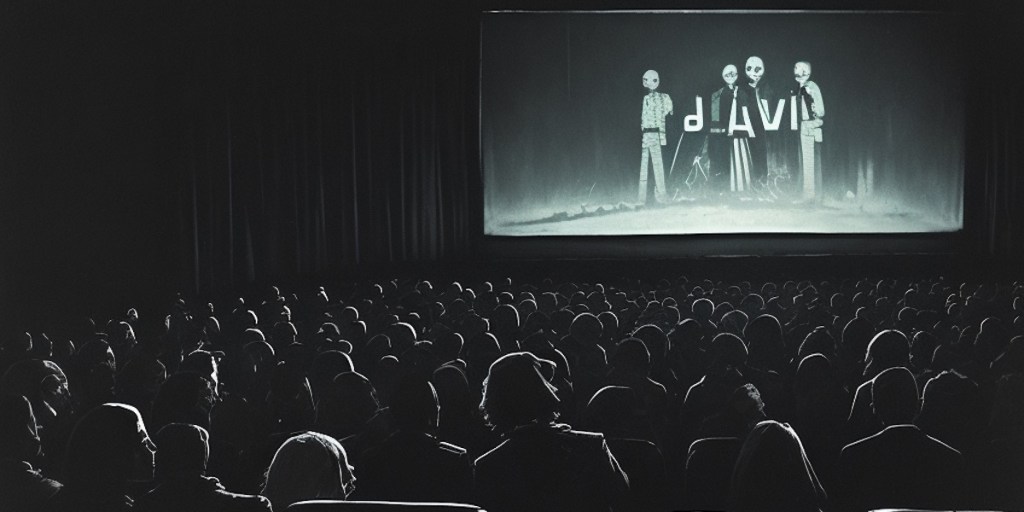
These public pressures led Congress to pass the Zombie Outbreak Preparedness and Research (ZOPR) Act of 1969, which directed $40 million (equivalent to more than $340 million today) for private and public research, including funding the establishment of many university programs in zombie science.
In the years following the film’s release, scientists, epidemiologists and virologists increasingly began to specialize in zombie science, exploring the pathogens or parasites that reanimate the dead. The study of what was affectionately known among practitioners as “zombiology” became a legitimate focus of research, leading experts in disciplines as diverse as sociology, political science, sports medicine and pop culture to join in the study of zombies, zombie outbreaks and the impact of zombies on society.
Zombie science was born as a mainstream cross-disciplinary field of study.
Romero’s Journey into “Night”
Romero himself was born in the Bronx in 1940 and studied filmmaking while at Carnegie Mellon University, graduating in 1960. He started his career making short films and commercials, and in the late 1960s teamed with several partners to establish the production company that would go on to produce the “Night of the Living Dead” documentary in the wake of the Pittsburgh outbreak.
Zombie film historian David du Morte explained that, although the government was quick to cover up the 1968 outbreak, because Romero had been at Carnegie Mellon in Pittsburgh, he had many local acquaintances involved in the incident. He leveraged this network to piece together the story of what had happened, which formed the basis for “Night.”
“You could say that Romero was at the right place at the right time, which of course was a horrible time for those poor souls eaten by the undead on that terrible night,” du Morte said.
Romero went on to make several more important documentaries covering various outbreaks, including 1978’s “Dawn of the Dead” and 1985’s “Day of the Dead,” among others. For his contributions to the field, Romero was awarded several honorary doctorate degrees in zombie science, including from his own alma mater, Carnegie Mellon, which established the Romero Institute for Zombie Studies in his honor.
Romero died in 2017 of cancer and notably did not turn into a zombie upon his passing.
Note: The Bulletin of the Zombie Scientists is a work of fiction. Any resemblance to persons (living, dead or living dead), actual organizations or actual events is entirely coincidental. See our About page for our origin story.
More Recent Posts
- Administration Weighs Deploying Undead to “Purify Woke Cities”
- President Fires Zombie Statistics Bureau Chief After Reported Rise in Undead Numbers
- Zombies of Different Generations Drawn to Different “Places of Meaning,” Study Finds
- “Z Visa” Program Would Let Wealthy Buy US Entry for Their Undead Relatives
- 6 Weeks after “Liberation Day,” Tariffs Still Loom for “Zombia”
 Bulletin of the Zombie Scientists
Leave a comment