
By Bulletin Staff
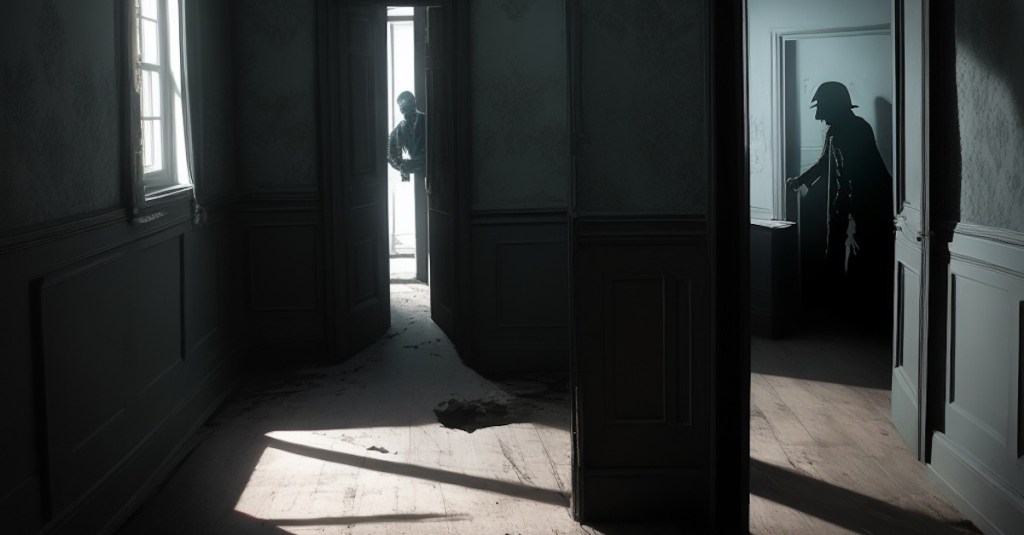
The city of Portland, Oregon, has announced a new program to help homeowners remove zombie remains from their houses, many of which were built in the early 20th Century, at a time when the undead were frequently used as insulation in homebuilding.
Under the program announced this week, the city’s Environmental Services agency will coordinate with private contractors to provide testing of homes suspected of having undead embedded within their walls. Funding for the program comes from the Inflation Reduction Act and leftover Covid relief funds.
The goal of the program is to reduce consumer exposure to potentially hazardous undead materials, as well as to prevent attacks on the living by zombies that could be inadvertently released from their captivity from within the walls of a home during renovations.
Where a home test positive for the presence of the undead, Environmental Services will work with the affected residents and select local construction firms to “rip and replace” the zombie insulation with material that meets current building codes. Functioning zombies found in houses will be destroyed on site prior to their removal.
In announcing the new program, Portland’s mayoral office issued a statement saying that the program would protect the city’s residents while also preserving Portland’s character and charm. “We will keep Portland safe, while also continuing to keep Portland weird. But we will also make Portland less zombie,” the statement said.
The announcement of the program comes nine months after the crew for the popular “Houses from Hell” home improvement television show was attacked by a group of still functional zombies that fell out of the wall in a Portland house during the filming of an episode. The hosts of the show and a cameraman were all bitten and had to be put down once they turned, leading to cancellation of the show.
History of Zombies in Homebuilding
The use of the undead as insulation in homebuilding was common in the Pacific Northwest during the early 1900s, particularly during zombie virus pandemics like the 1918-1920 Oregon Outbreak that coincided with the 1918 influenza epidemic.
At the time, the undead were thought to provide durable and effective insulation that was resistant to fire, heat, corrosion and humidity, the latter being particularly important in the moist environment of the Northwest.
Building codes at the time did not explicitly ban the use of the undead in homebuilding. As a result, during periods when other insulating materials like asbestos were in short supply, homebuilders would resort to using zombies as insulation between the outer and inner walls of a new house.
Historians have documented the rise of the zombie construction materials market in the early 20th century across the US. A handful of reputable suppliers provided builders with zombies that had been “processed” to ensure they were truly dead and not a threat to construction workers or homeowners.
Not Home Alone
But the Oregon Outbreak saw a surge in the supply of zombies just at a time when the 1918 influenza epidemic was disrupting the supply chain for asbestos. Consequently, Portland and other growing cities in the Northwest saw the rise of “fly by night” undead insulation material companies that weren’t as particular about ensuring that their zombie raw material was “processed” properly.
The result was that oftentimes homes were built with still functioning zombies embedded in the walls. Moreover, the lax disclosure requirements of the era meant that often a homebuyer would have no idea that their new residence was also the resting place of dozens or scores of the living dead.
The first sign that a family was not alone in their new home might be a scratching or a persistent moaning from behind a wall. Over the years, embedded zombies have periodically broken through a wall into the interior of the house and set upon the unsuspecting human residents. In all, some 243 deaths have been attributed to such attacks in Portland between 1918 and 2018.
Sunset for Undead Insulation
It wasn’t until the health impacts of zombie insulation began to come to light in the 1930s that the homebuilding industry started to turn away from the material in favor of asbestos, which itself would prove problematic.
The Environmental Protection Agency (EPA) banned the use of zombie construction materials in 1975, six years before the agency would ban asbestos. But the prohibition phased in over time, and the undead continued to be built into the walls of some homes around the nation until the full ban went into effect in 1977.
Some 82,000 homes in Portland were built prior to 1940, so the number of homes that still contain zombie insulation is potentially in the tens of thousands. The Portland program is projected to cover undead abatement for some 2,500 homes, suggesting that, in the long term, the zombie menace will continue to haunt Portlanders for some time to come.
Like this kind of content? Subscribe to receive blog posts from the Bulletin of the Zombie Scientists in your Inbox or in the Reader app as they are published.
More Recent Posts
- Administration Weighs Deploying Undead to “Purify Woke Cities”
- President Fires Zombie Statistics Bureau Chief After Reported Rise in Undead Numbers
- Zombies of Different Generations Drawn to Different “Places of Meaning,” Study Finds
- “Z Visa” Program Would Let Wealthy Buy US Entry for Their Undead Relatives
- 6 Weeks after “Liberation Day,” Tariffs Still Loom for “Zombia”
Note: The Bulletin of the Zombie Scientists is a work of fiction. Any resemblance to persons (living, dead or living dead), actual organizations or actual events is entirely coincidental. See our About page and our Origin Story.
 Bulletin of the Zombie Scientists
Leave a comment