
By Bulletin Staff
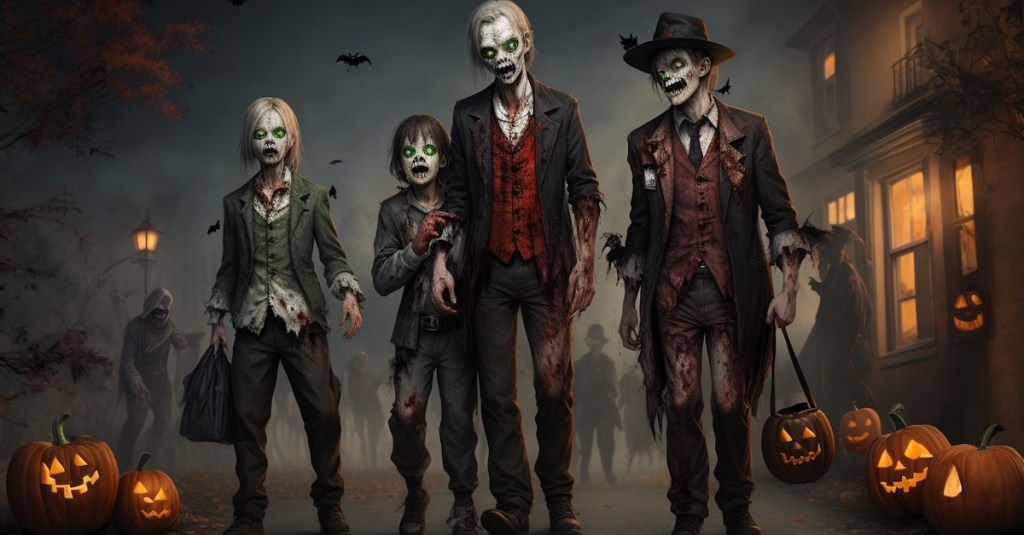
Federal authorities have issued their annual reminder to the public that, while the number of zombies on the streets of US towns and cities may seem to be spiking this evening, it’s probably not an outbreak of the undead. More likely it’s just trick-or-treaters marking Halloween.
“The zombie outbreak threat level has not been raised: We remain at ZOMCON 3,” the Department of Homeland Security said in its statement today.
DHS added that, in the event of an actual outbreak, the president would activate the National Zombie Outbreak Alert System to provide the public with essential information to ensure their safety and the survival of humanity.
Balancing Panic and Preparedness
Homeland Security began issuing its regular Halloween reminders in 2013 in the wake of the 2012 Dubuque incident, in which a branch of the anti-zombie vigilante group Sons of the Living attacked a college Halloween party that they believed was the center of an outbreak. More than 200 people were injured in that incident, and no zombies were found.
Liam Quill, a zombie security researcher with the Washington-based Center for Undead Research, says that DHS has to maintain a delicate balance between ensuring against another Dubuque while also preventing the public from letting down their guard, leaving them more vulnerable to undead assault.
“They’re always caught between panic and preparedness. It’s a fine line given the general level of anxiety about the living dead, and the annual reminders help keep the public on the right side of that line,” Quill said.
If It Decays, Run Away
The DHS reminder included advice on how to distinguish trick-or-treaters from real zombies, starting with observing the behavior of any suspected undead. Trick-or-treaters will typically interact with others, knock on doors, ask for candy and occasionally perform some harmless trick or prank, for example.
“If the suspected zombie just rang your doorbell, you are most likely dealing with a living human. Give them candy,” the department recommends. “On the other hand, real zombies will not exhibit such behavior but will immediately attack the nearest living human and attempt to rip the flesh from their bones.”
The department concedes that it has become increasingly difficult to distinguish between real and fake zombies by their physical appearances, given the proliferation of Halloween stores and zombie makeup videos on TikTok, YouTube and other video platforms.
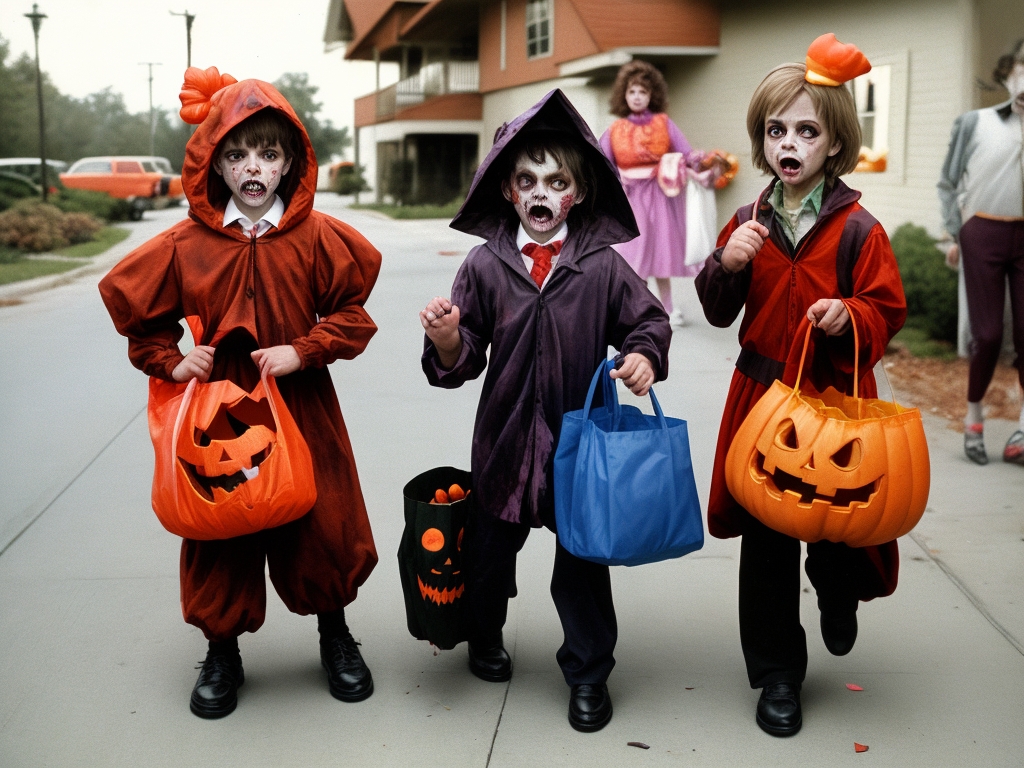
DHS urges the public to look for obvious telltale signs that a “zombie” is actually a costumed trick-or-treater, such as store tags still hanging from clothing, cheap plastic masks, badly applied makeup, the absence of grievous wounds and no noticeable smell of decay.
Trick-or-treaters also normally carry bags or buckets for candy. Actual zombies will usually lack these.
Real zombies also may have decomposed to the point that it is possible to see through their bodies. “If you are looking at a suspected zombie and you can see another suspected zombie through a giant hole in the first zombie’s chest, you are most likely facing an actual member of the undead. Run away,” the department advises.
Zombies Don’t Banter
Groups of living human trick-or-treaters will often be engaged in active banter as they move from house to house through a neighborhood, commenting on the “take” from a given household and greeting other trick-or-treaters. In the case of the very young, they may react with screams, shrieks or other signs of fright at the sight of costumed vampires, ghouls or other scary personas.
Actual living dead usually either moan or are completely silent, and they will not provide intelligible responses to queries or engage in active banter.
Watch how the suspected zombies walk and move. Genuine members of the undead may have an unusual gait, stumble or display erratic movements, whereas trick-or-treaters will most often move like regular people between the houses that they are visiting.
DHS also notes that trick-or-treaters commonly can be found on the streets from around sunset to the early evening, although it is not uncommon for teenagers still grasping for the last straws of their fading childhoods to continue trick-or-treating until deep into the night.
The department adds that trick-or-treating is generally limited to October 31. “Most trick-or-treaters will be out on Halloween evening, but real zombies aren’t limited to Halloween night. If you see a suspected zombie in March or December, for example, it is probably an actual member of the undead. Run away,” the department advises.
See Some Dead Thing, Say Something
In its statement, DHS urges the public to pay attention to announcements from local government authorities regarding actual and potential zombie threats. “Stay informed about local guidelines and emergency response plans. Your state or local authorities may have specific advice for dealing with zombie-related situations,” DHS suggests.
The department advises that the public to always exercise caution and prioritize safety. If in doubt, they say, avoid approaching individuals who appear to be real zombies. Find a safe place and contact local law enforcement or emergency services for assistance.
“It’s better to be safe than sorry when it comes to identifying potential threats, and first responders are best positioned to judge whether a suspected zombie is real or just a rambunctious scamp on a sugar high,” DHS concludes.
Like this kind of content? Subscribe to receive blog posts from the Bulletin of the Zombie Scientists in your Inbox or in the Reader app as they are published.
More Recent Posts
- Administration Weighs Deploying Undead to “Purify Woke Cities”
- President Fires Zombie Statistics Bureau Chief After Reported Rise in Undead Numbers
- Zombies of Different Generations Drawn to Different “Places of Meaning,” Study Finds
- “Z Visa” Program Would Let Wealthy Buy US Entry for Their Undead Relatives
- 6 Weeks after “Liberation Day,” Tariffs Still Loom for “Zombia”
Note: The Bulletin of the Zombie Scientists is a work of fiction. Any resemblance to persons (living, dead or living dead), actual organizations or actual events is entirely coincidental. See our About page and our Origin Story.
 Bulletin of the Zombie Scientists
Leave a comment